01Meet the candidate
Meet Bradley Weston
Who Brad is, why he's running for mayor, and what he stands for.
Let's discuss
What would you ask a mayoral candidate to understand their priorities for your community?
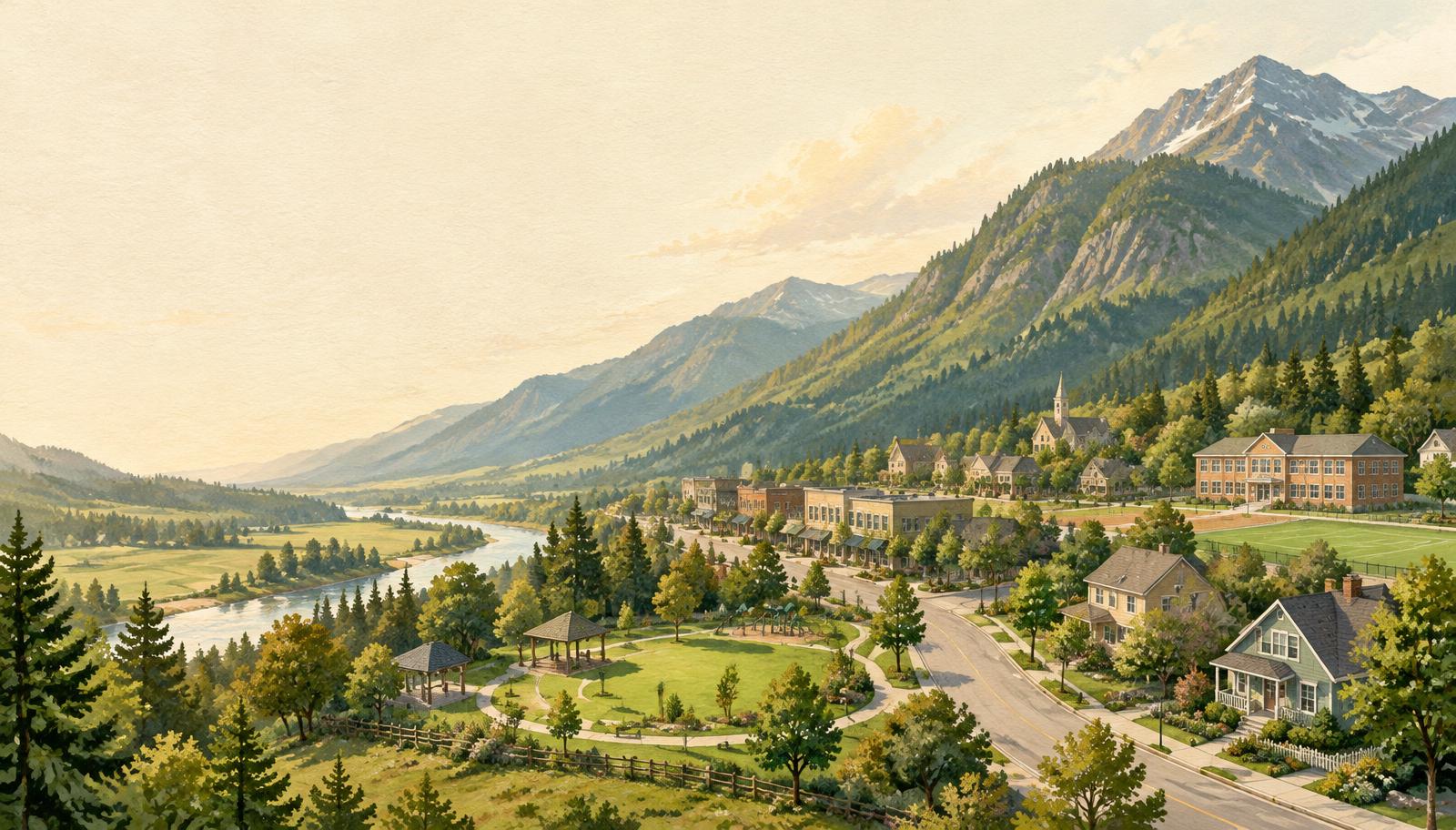
You're never too young to understand the decisions shaping your community. Discover how Lumby works, why elections matter, and how to ask better questions about the future.
Imagine you're 13 today. By the time you're 23, how different could Lumby look?
Water systems need maintenance and long-term planning. Decisions today can affect reliability and capacity years from now.
Street and sidewalk investments influence how safely people can walk, cycle, and travel around town.
Recreation spaces shape where young people gather, play, and connect. New facilities also need ongoing care.
Land-use and servicing decisions affect where homes can be built and what infrastructure they require.
Planning for emergencies means considering risks, resources, access, and how to protect the community.
Growth can bring opportunities and pressures. Decisions about land and services can shape a town for decades.
Council balances services, projects, and affordability. Long-term choices include both initial costs and future maintenance.
Decisions made today can affect the next 10–20 years. You must meet voting eligibility requirements to vote, but you can learn, ask questions, attend public meetings, and take part in respectful civic discussions now.
One mayor. Four councillors. Five votes. Decisions made together.
The mayor chairs meetings, represents the village, and works with council. The mayor has one vote out of five—not the power to decide alone.
Local roads, water services, parks, municipal budgets, bylaws, and land-use planning.
Education, health care, provincial highways, and the laws that give municipalities their powers.
National defence, immigration, passports, and federal taxation.
Responsibilities can overlap. Housing, infrastructure funding, and emergency preparedness may involve multiple levels of government, regional districts, and other partners.
Not every election happens for the same reason. Start with the rules—and check the official record.
Held on the regular schedule to elect local representatives. In British Columbia, general local elections are normally held every four years.
Held to fill a vacancy between general elections when required by the applicable rules.
An election before the usual schedule where the law allows it. Do not assume rules for provincial or federal elections also apply to municipalities.
October 17, 2026 is Lumby's regular general local election, held every four years. Confirm all election details with the Village of Lumby.
Official Village of Lumby informationA candidate's story is a starting point. Your questions are the next step.
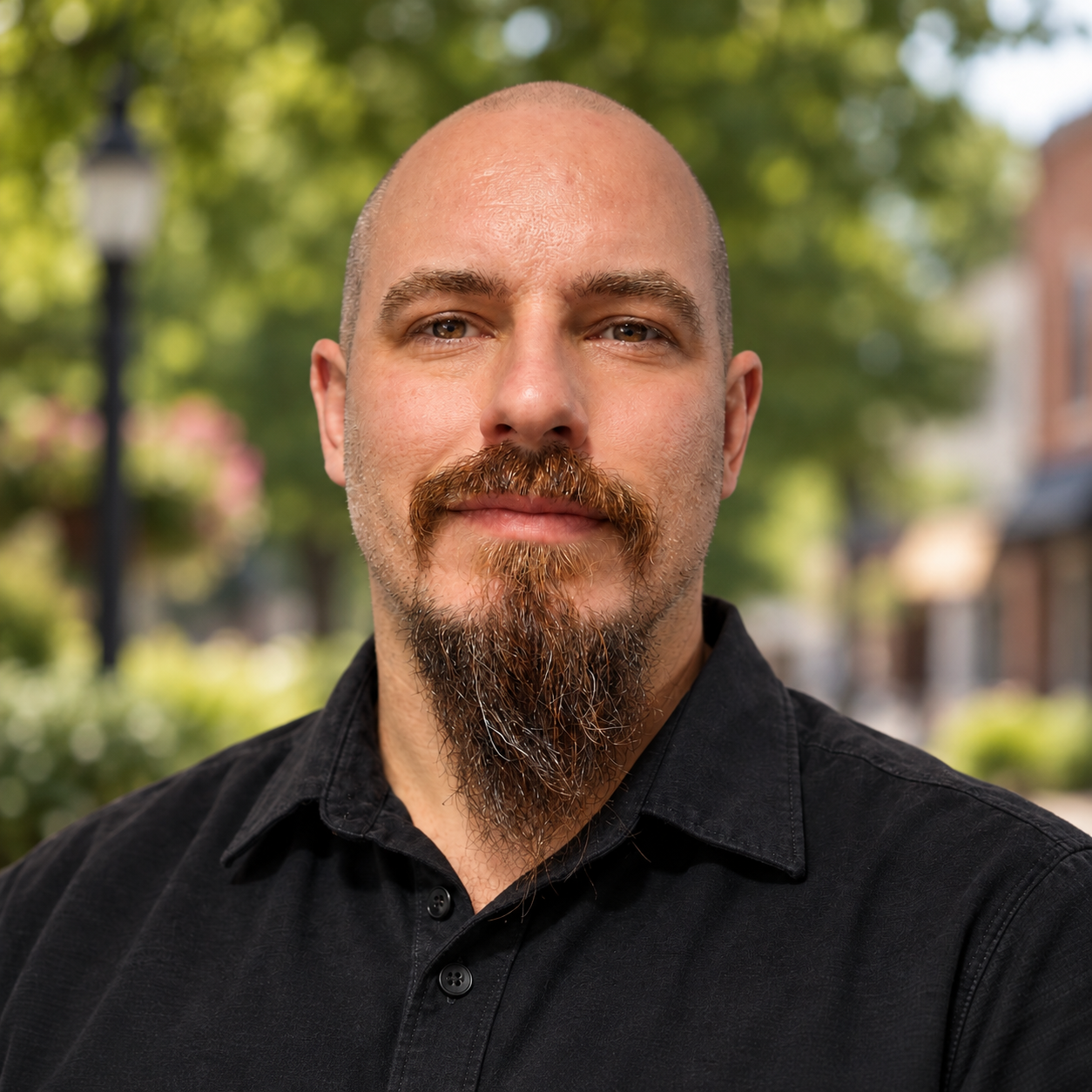
Bradley moved to Lumby at 14 and attended Charles Bloom Secondary. He worked in forestry, agriculture, and paving, progressing through roles including grade foreman, quality-control manager, and co-owner-operator.
He returned to Lumby in 2011 to be near his seriously ill father. He is a father of two sons and owns BareKnuckle Norras HotShot & EarthWorks Ltd.
Watch: Meet Bradley WestonGo beyond the headline. Look at the evidence, the context, and the questions still worth asking.
Each figure links to the original public record so you can check it yourself.
The campaign package cites a 2025 engineering study: both reservoirs are below design storage guidelines, and 59 pipes (23% of the system) cannot deliver required firefighting flow. It also reports adequate everyday water pressure.
Check the study's date, design guidelines, flow tests, and recommended upgrades. Everyday water pressure and firefighting flow are different measures.
Can water pressure be adequate for everyday use while firefighting flow is insufficient?
The campaign package reports a target of approximately 540 new homes over 20 years.
Find the original housing report. Check whether this is a need, a target, or an approved plan, and which time period it covers.
What services might a growing community need alongside new homes?
The campaign package discusses a marketed proposal for 1,500 homes and separately identifies an approved 31-lot subdivision. A marketed proposal is not an approved development.
Compare marketing material with council decisions, approved plans, servicing requirements, and the specific land involved.
What public record would prove that a development has actually been approved?
The campaign package reports that the estimated public works yard cost changed from about $1 million in February 2025 to $2,280,739 in November 2025.
Compare the scope, dates, and documents. Estimates, borrowing authorizations, and actual final costs are not interchangeable.
What could change between an early estimate and a final project cost?
Our community. The decisions ahead. Your questions.
Three conversations about the place we call home.
Who Brad is, why he's running for mayor, and what he stands for.
What would you ask a mayoral candidate to understand their priorities for your community?
A discussion about proposed development, infrastructure, and Lumby's future.
What evidence would you look for to distinguish a proposed development from an approved one?
An explanation of the election and why municipal voting matters.
How can municipal decisions affect young people who aren't yet old enough to vote?
Big ideas. A limited budget. Real trade-offs. What would you prioritize?
Your council has 10 funding credits and four competing needs. Which priorities would you bring to the table?
Five questions. A few tempting assumptions. Follow the evidence.
Take the conversation home. Listen carefully, disagree respectfully, and stay curious.
01What do you think Lumby's biggest challenge is?
02How do you decide which candidate to trust?
03Where can we find reliable election information?
04What decisions today could affect our community in 20 years?
The goal is understanding—not convincing family members to vote for a particular candidate.
A little curiosity can start a meaningful conversation.
Research reflection: Which claim did you check? What does the original source say? What is still uncertain?
Lumby: Your Future, Your Voice. Educational resource prepared by Bradley Weston's mayoral campaign. Not an official Village of Lumby or school resource.